Summary
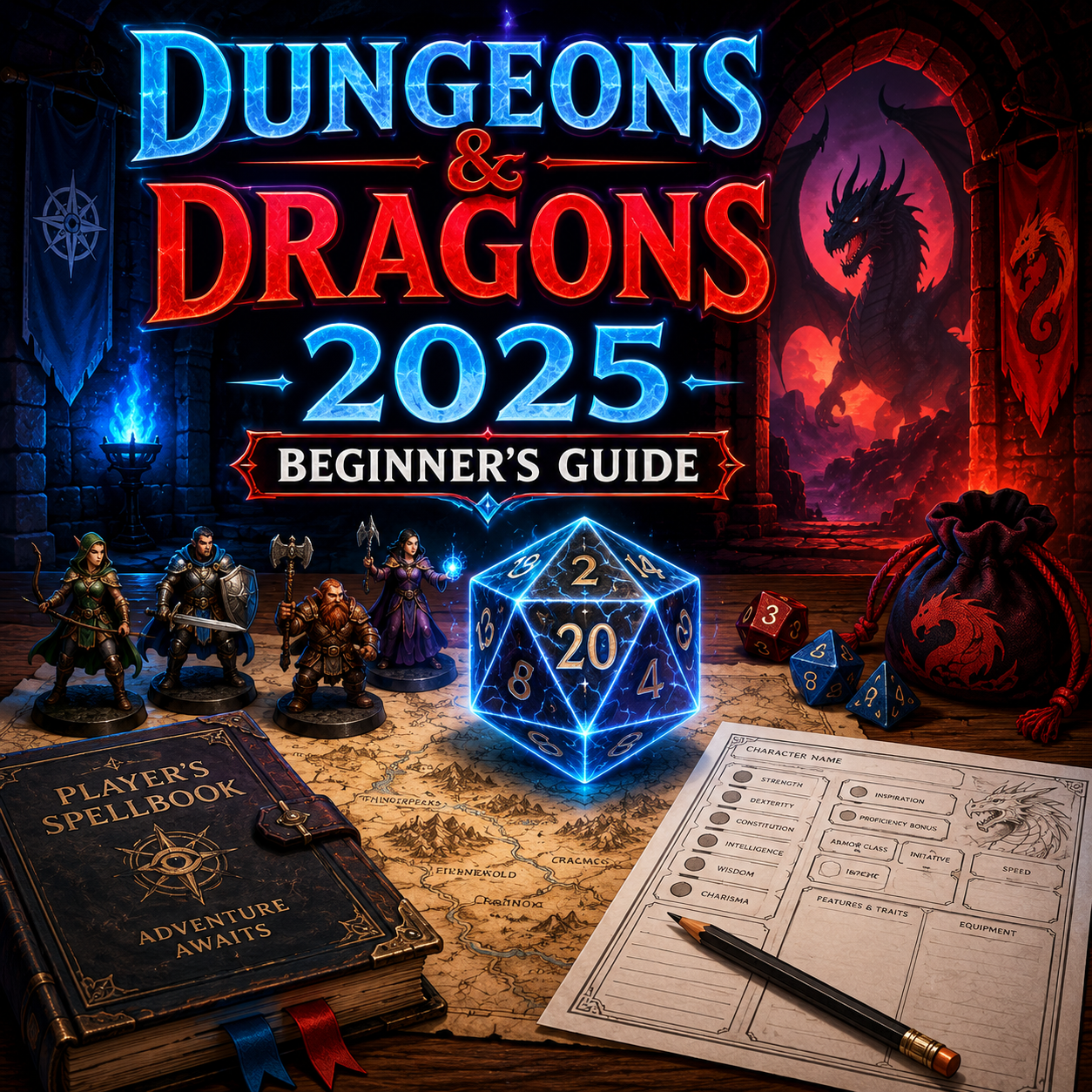
Dungeons & Dragons is one of the most rewarding tabletop games ever created, but getting started can feel overwhelming when you first see the rulebooks, dice, character sheets, and endless campaign options. The good news is that D&D is easier to begin than it looks.
The current version of the game is built around the updated fifth-edition rules introduced through the 2024 Player’s Handbook, 2024 Dungeon Master’s Guide, and 2025 Monster Manual. These books refine the modern D&D experience with updated character creation, revised classes, clearer rules, and a massive new collection of monsters for Dungeon Masters to use. In this guide, we will cover:
- What Dungeons & Dragons actually is
- What changed in the latest D&D rules
- What you need to start playing
- The best beginner products to consider
- How players and Dungeon Masters work together
- A simple step-by-step path to your first game
- Frequently asked questions for brand-new adventurers
Whether you want to play a heroic fighter, a chaotic bard, a spell-slinging wizard, or try your hand at running the entire world as a Dungeon Master, this guide will help you take your first real step into D&D.

What Is Dungeons & Dragons?
Dungeons & Dragons, usually shortened to D&D, is a tabletop role-playing game where a group of people tells a shared fantasy story together.
Most players each control one character. That character might be a knight, a thief, a cleric, a sorcerer, a ranger, or something stranger entirely. One person takes on the role of the Dungeon Master, often called the DM, who describes the world, presents challenges, plays the monsters and non-player characters, and helps guide the adventure forward.
At its heart, D&D is a game of:
- Imagination
- Cooperative storytelling
- Problem-solving
- Dice rolls
- Laughing with friends when everything goes sideways
The game might begin with a simple job from a village elder, then spiral into a dungeon crawl, a tense negotiation with a suspicious noble, a dragon attack, or an hour-long debate over whether opening the ominous glowing chest is a good idea. That last one happens more often than you would think.
D&D has remained popular for decades because no two games are ever exactly alike. Video games can give you a stunning fantasy world to explore, but D&D lets your group decide what happens next. Your choices can reshape the story in real time.
What Is “D&D 2025”?
A lot of people casually refer to the newest version of the game as D&D 2025, but that name is a little messy.
The most accurate way to describe it is this: Dungeons & Dragons has received a major update to its fifth-edition rules through three revised core rulebooks:
- Player’s Handbook (2024)
- Dungeon Master’s Guide (2024)
- Monster Manual (2024 edition, released in 2025)
These books form the modern starting point for new players and new Dungeon Masters. D&D Beyond now sometimes distinguishes the older 2014 rules as 5e and the updated rules as 5.5e, but they are part of the same broader fifth-edition family and remain compatible in many ways. For a new player, the simple answer is:
Start with the current 2024/2025 core books or a current Starter Set. You do not need to worry about edition history before you begin.
What Changed in the New D&D Rules?
The newest version of D&D still feels like the fifth edition that made the game more approachable for millions of players, but it includes meaningful refinements that make character creation, combat, and game prep smoother.
Updated Character Creation
The 2024 Player’s Handbook changes the flow of making a character. You now choose:
- Class
- Origin, which includes species and background
- Ability scores
- Alignment
- Final character details
Backgrounds now play a bigger mechanical role than before. In the 2024 rules, your background helps determine ability score increases and gives you an Origin Feat, helping make characters feel more complete from level one.
The 2024 Player’s Handbook uses the term species rather than race for character options like elves, dwarves, humans, dragonborn, tieflings, and others. The book includes ten core playable species, each revised for the updated rules.
One of the biggest changes for weapon-focused characters is Weapon Mastery. Certain classes can use different mastery properties attached to weapons, giving martial characters more tactical choices in battle beyond simply “I swing again.”
The 2024 Player’s Handbook revises all twelve core classes, reorganizes rules language, and updates spellcasting and player options to better reflect how modern D&D is actually played at tables.
The 2024 Dungeon Master’s Guide is designed to be more practical for people who actually want to run the game. It focuses on real-world advice for preparing sessions, creating adventures, adjudicating play, and building a fun table experience.
The 2025 Monster Manual contains over 500 monsters, including redesigned classics, brand-new creatures, and more flexible humanoid NPC stat blocks for Dungeon Masters. It is built to make encounter building and monster use more enjoyable at the table.
Do You Need to Buy Anything to Start Playing D&D?
Technically, no. Wizards of the Coast provides the 2024 D&D Free Rules online, which include the foundation of the updated game, the twelve core classes with one subclass each, and the rules needed to begin learning how D&D works. you are serious about getting into the hobby, physical books and beginner products make the experience much easier, especially for groups playing around a table.
A brand-new player usually has three good ways to begin:
Option 1: Start With a Starter Set
This is the easiest entry point for a whole group.
Option 2: Use the Free Rules and Join an Existing Game
This is a great choice if a friend already knows how to play and is willing to teach you.
Option 3: Buy the Player’s Handbook and Build Your Own Character
This is the best choice if you know you want to dive in properly and have more options right away.

The Best D&D Products for Beginners
Power Up Gaming carries a wide range of Dungeons & Dragons books, accessories, campaign products, dice, miniatures, paints, and table tools, but a few products stand out as the best starting points for new players.
If you want the cleanest modern beginner experience, Heroes of the Borderlands is the obvious place to start.
This newer Starter Set is designed to help brand-new players begin quickly, with guided play, prebuilt characters, and a game structure meant to get people rolling dice without needing to read three hardcover rulebooks first. The official D&D materials describe it as a first step into the game, built for beginners with no experience required. It is a good choice if:
- Nobody in your group has played before
- You want everything in one box
- You want to try D&D before committing to the full rulebook line
- You are introducing friends, family, or teens to the game
2. Player’s Handbook (2024)
If you are a player and want the proper core book, this is the one.
The 2024 Player’s Handbook is the main rulebook for creating characters and understanding how the game works. It includes player-facing rules for classes, species, backgrounds, equipment, spells, combat, and character advancement.
- You want to create your own character instead of using a prebuilt one
- You plan to play regularly
- You want full access to the updated core character options
- You like having a physical book to flip through and reference
3. Dungeon Master’s Guide (2024)
If you want to run D&D, this is your main long-term resource.
The Dungeon Master’s Guide is built for the person who wants to create adventures, manage sessions, build worlds, hand out treasure, and keep the game moving in a fun direction.
- You want to become a Dungeon Master
- You plan to create your own adventures
- You want guidance on building memorable sessions
- You want more confidence behind the screen
4. Monster Manual (2024)
The Monster Manual is the DM’s enormous toolbox of enemies, creatures, villains, wild beasts, and fantastical horrors. The newest version includes more than 500 monsters and a larger selection of ready-to-use NPC-style stat blocks.
- You are running games
- You want a huge variety of monsters to use
- You enjoy browsing creature lore and encounter ideas
- Your players keep asking, “What happens if we fight it?”
5. Dungeon Master’s Screen (2024)
A DM screen is not mandatory, but it is genuinely useful. It helps hide notes, maps, and dice rolls while giving the DM quick access to rules references during play. The 2024 screen was revised with updated at-a-glance reference information.
6. Dice, Character Sheets, and Table Accessories
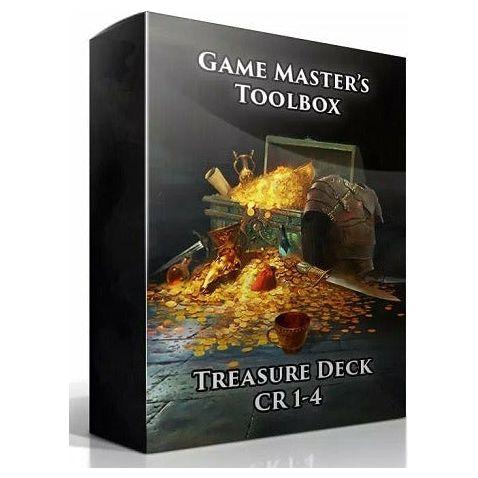
At minimum, players should have access to a standard seven-die polyhedral set, especially the famous twenty-sided die, or d20. Character sheets are also important, whether printed or digital. Power Up Gaming carries dice and official 2024 character sheets alongside its wider D&D selection.
The Dungeon Master is not the enemy of the players, even if they are technically controlling the dragon.
The DM:
- Describes the world
- Sets the scene
- Plays the monsters and NPCs
- Explains what happens when players attempt actions
- Decides when dice are rolled
- Keeps the adventure moving
A good DM is part storyteller, part referee, part improviser, and part stage manager. They prepare the adventure, but they also react to whatever chaos the players create. And they will create chaos. They always do.
The 2024 Dungeon Master’s Guide places a strong focus on helping DMs build enjoyable sessions and make practical decisions at the table, which is especially useful for newer game runners.
Players each control one hero in the story.
As a player, you:
- Decide who your character is
- Choose how they respond to situations
- Work with the rest of the party
- Explore, investigate, negotiate, and fight
- Roll dice when the outcome is uncertain
- Help create the story rather than passively watching it
You do not need to be a trained actor. You do not need to speak in a fantasy accent. You do not need to memorize the entire Player’s Handbook before session one.
At its best, D&D is a conversation. The Dungeon Master presents the world, the players say what they want to do, and the game responds.
The official 2024 Basic Rules say that D&D plays best with four to six players in addition to the Dungeon Master, though smaller or larger groups can absolutely work. A very comfortable table size is:
- 1 Dungeon Master
- 3 to 5 players
That gives everyone enough room to participate without making combat and decision-making drag too much.

Step-by-Step: How to Start Playing D&D
Step 1: Decide How You Want to Begin
For most brand-new groups, the simplest path is:
Buy a Starter Set, gather a few people, and play the included adventure.
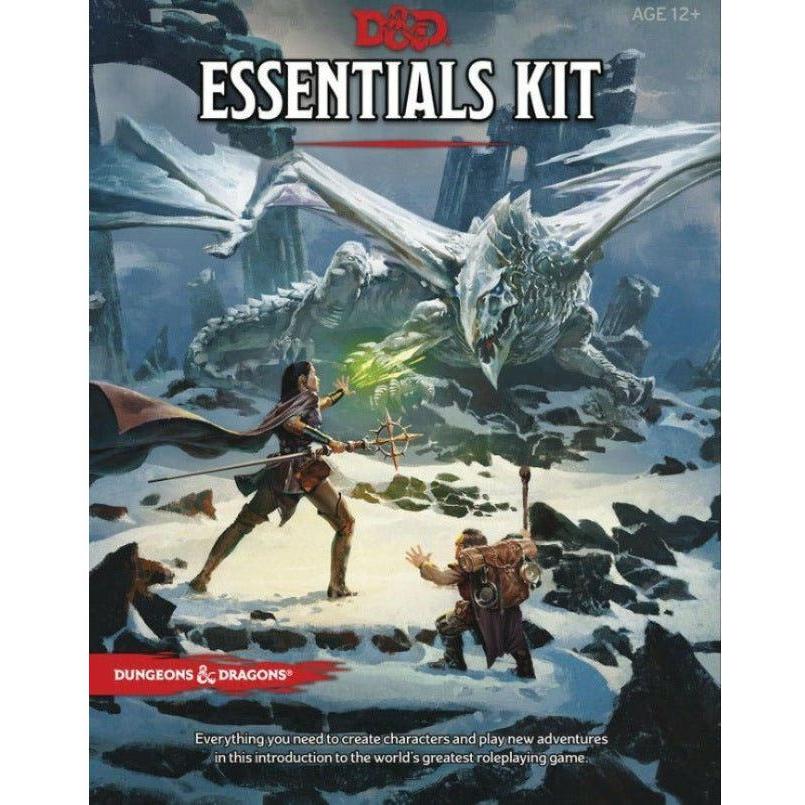
Heroes of the Borderlands is specifically designed for this job, while older beginner-friendly products like Dragons of Stormwreck Isle or the Essentials Kit can still work well if you already own them or prefer their style.
Find a few people who like fantasy stories, role-playing games, board games, or simply the idea of having a fun social night that is not just sitting in front of a screen.
You do not need a room full of lifelong gamers. A first D&D group can be made up entirely of curious beginners.
Step 3: Choose a Dungeon Master
Someone has to run the game. In a Starter Set, that person does not need years of experience. They just need to be willing to read the adventure ahead of time, describe what is happening, and help the group learn together.
The DM does not need to get everything perfect. Nobody does on their first session.
Step 4: Use Prebuilt Characters or Create Your Own
Starter Sets often include premade characters to make the first game faster. This is a fantastic idea for beginners because it lets the group learn by playing rather than spending the entire first night buried in character creation.
If your group wants the full character-building experience, the 2024 Player’s Handbook walks through character creation using the updated structure of class, origin, ability scores, and details.
Most D&D play follows a simple rhythm:
- The DM describes the situation.
- The players say what they want to do.
- The DM decides whether a roll is needed.
- Dice are rolled if the outcome is uncertain.
- The story changes based on the result.
That is the beating heart of Dungeons & Dragons.
You do not need to know every combat rule or spell interaction on day one. Learn the loop first. The rest comes naturally with practice.
Step 6: Set Expectations Before You Play
This does not need to be a serious formal meeting, but a quick pre-game conversation helps.
Talk about:
- How long you want the session to run
- Whether the tone should be silly, serious, heroic, spooky, or mixed
- What kinds of content players do or do not want included
- Whether this is a one-shot game or the beginning of a campaign
Good expectations make for much better games.
Step 7: Play the Adventure
Once the dice start rolling, let yourself enjoy it.
Do not worry about “playing correctly” every second. Ask questions. Make bold choices. Laugh when plans fail. Cheer when someone lands the perfect roll. The best D&D memories rarely come from perfectly optimized strategy. They come from strange decisions, lucky dice, emotional story beats, and ridiculous moments nobody could have planned.

Playing In Person vs. Playing Online
D&D works beautifully around a physical table, but it is also easier than ever to play online.
Official D&D Beyond tools can help players create characters, track character sheets, and access rules digitally. It also offers current beginner tools and community features for finding groups or learning the game. Groups may also use:
- Voice or video chat
- Digital maps
- Virtual tabletops
- Shared campaign notes
- Online dice rollers
There is no single “right” way to play. A kitchen table full of paper sheets and snacks is great. A Discord call with friends across the country is also great.
Where Can You Find a D&D Group?
If you already have friends who want to play, excellent. If not, there are still plenty of ways to find people.
Good places to look include:
- Local game stores
- Hobby groups and board game communities
- Official D&D communities
- D&D Beyond’s Looking for Players & Groups forums
- Local social media groups
- Friends who have been waiting for someone else to finally bring it up
D&D Beyond specifically maintains community spaces where players and DMs can ask questions, connect, and look for games.
Once your group finishes a beginner adventure and decides, “Okay, we get it now, this rules,” there are a few natural next steps.
Build Custom Characters
Move from premade sheets into the full Player’s Handbook and start creating characters from scratch.
Try a Longer Campaign
Power Up Gaming carries campaign books and adventure products such as Curse of Strahd, Dragonlance: Shadow of the Dragon Queen, Waterdeep: Dragon Heist, and other D&D books that can take a group into deeper, longer stories.
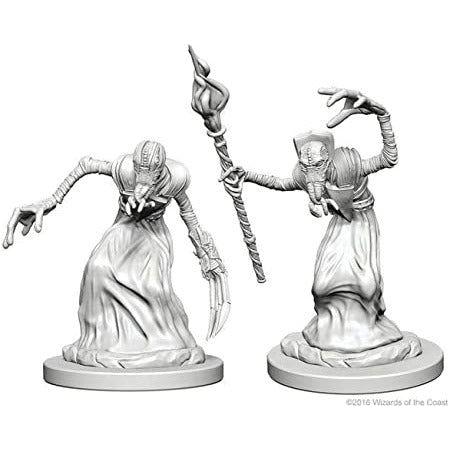
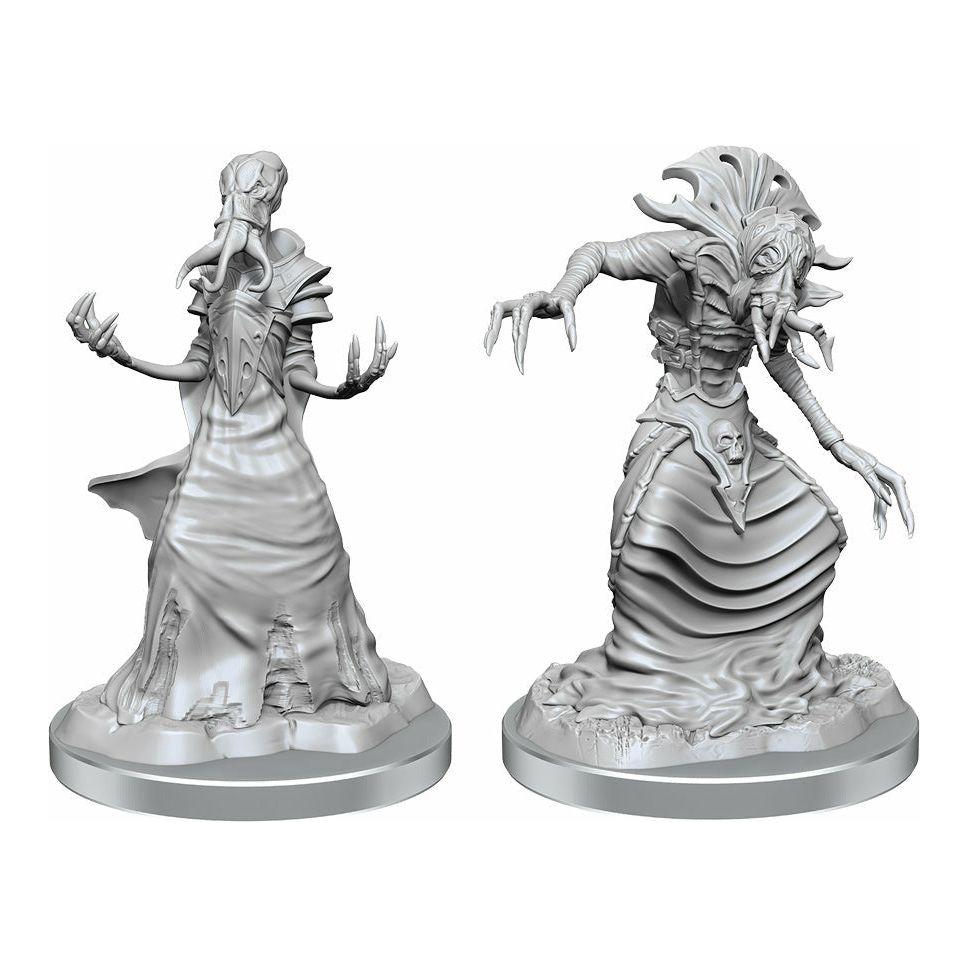
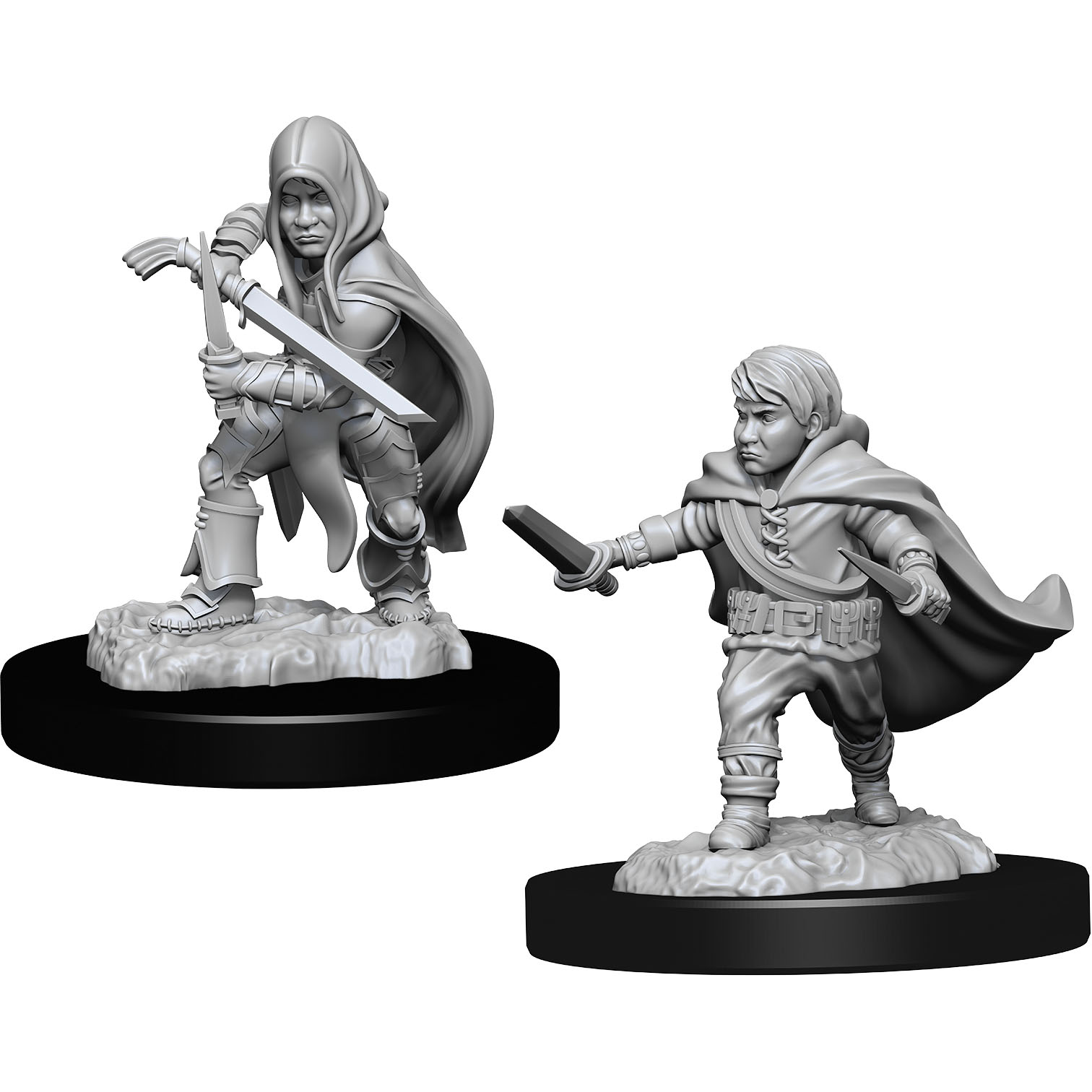
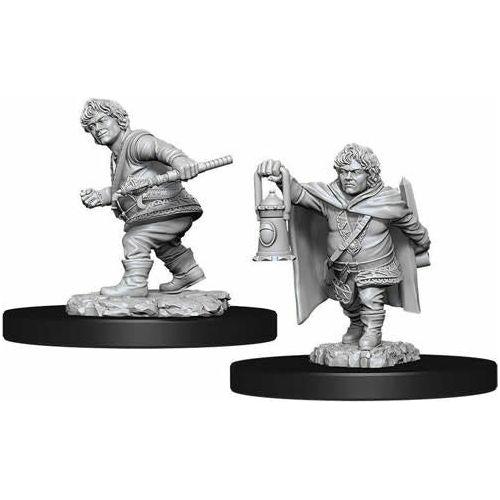
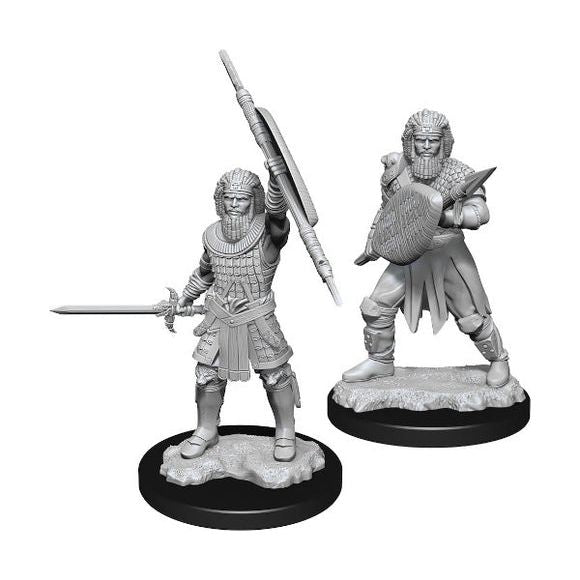
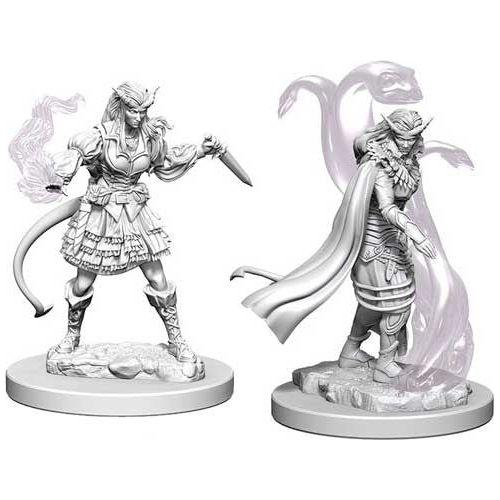
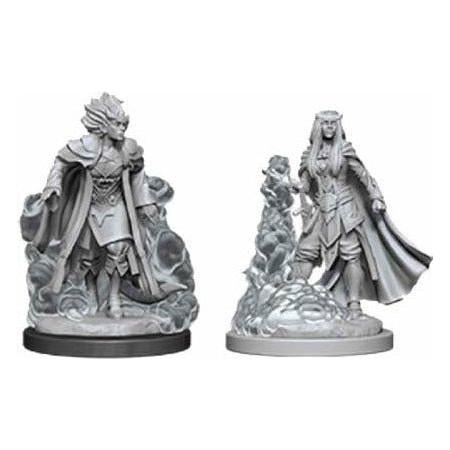
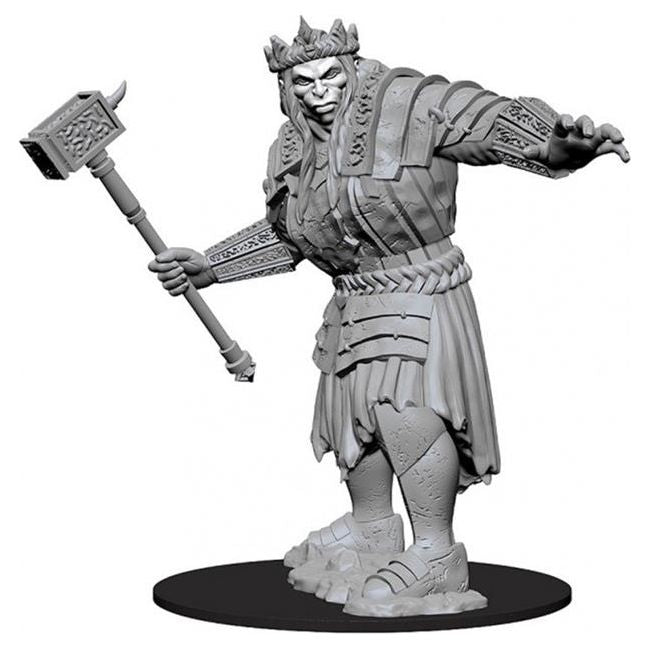
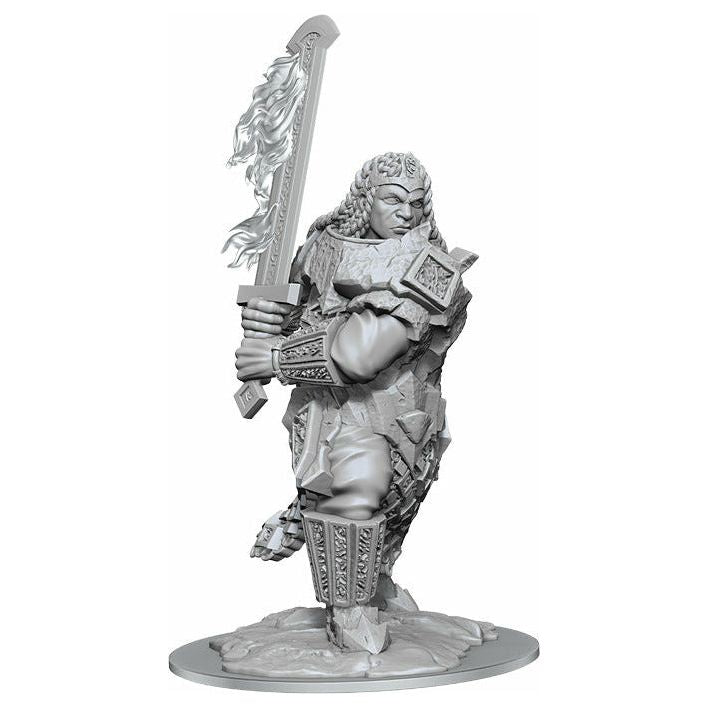
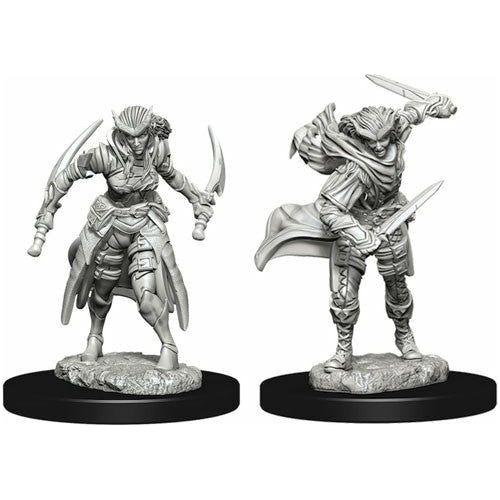
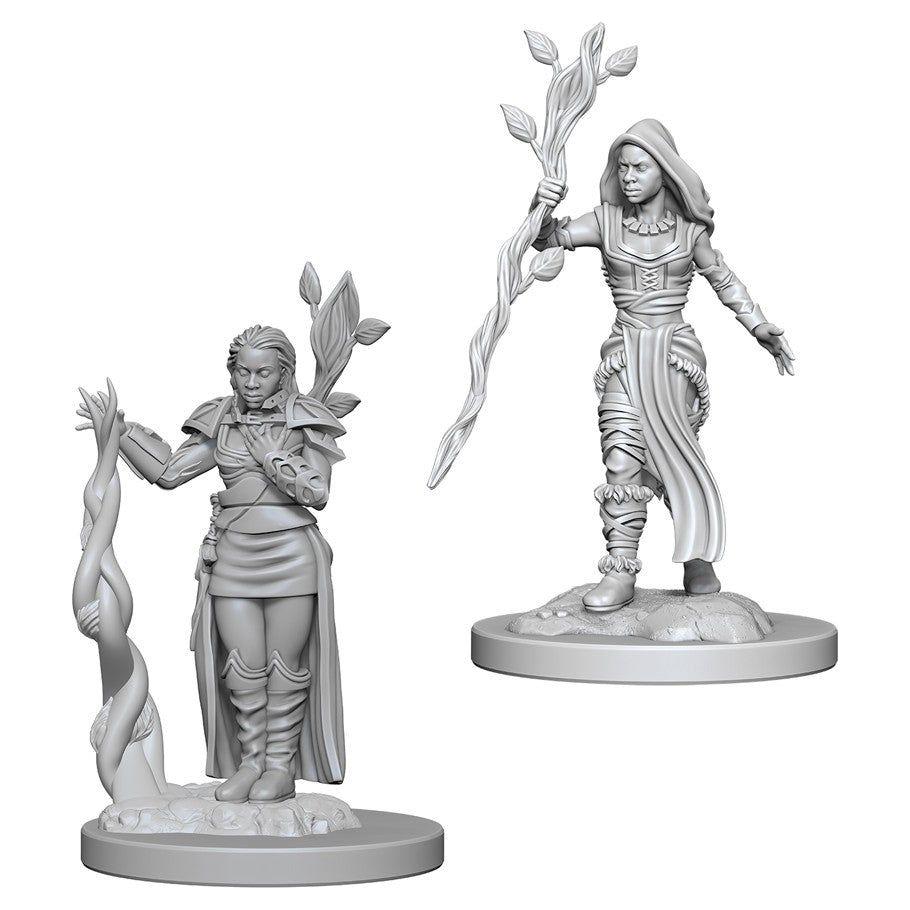
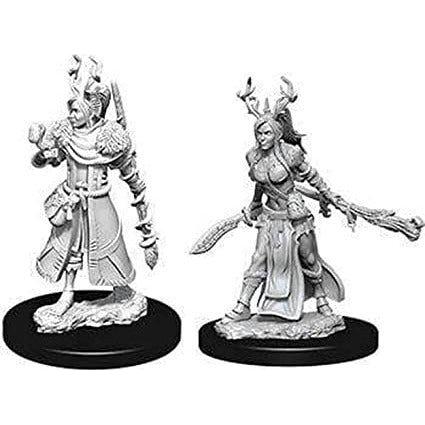
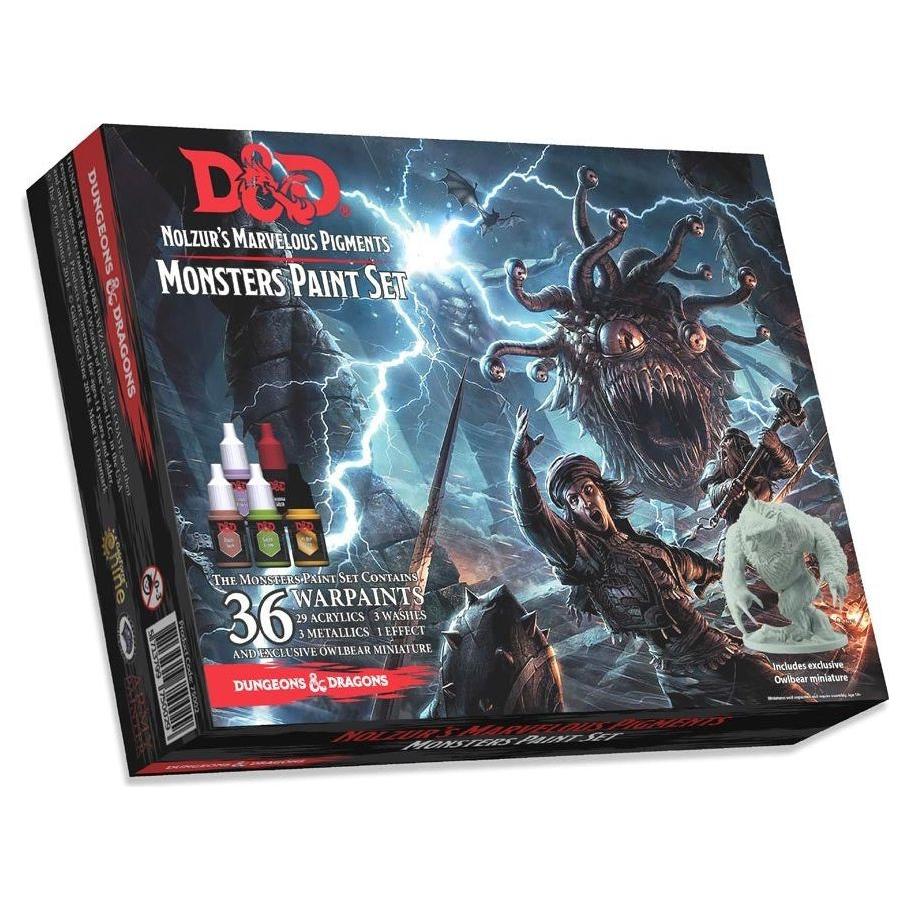
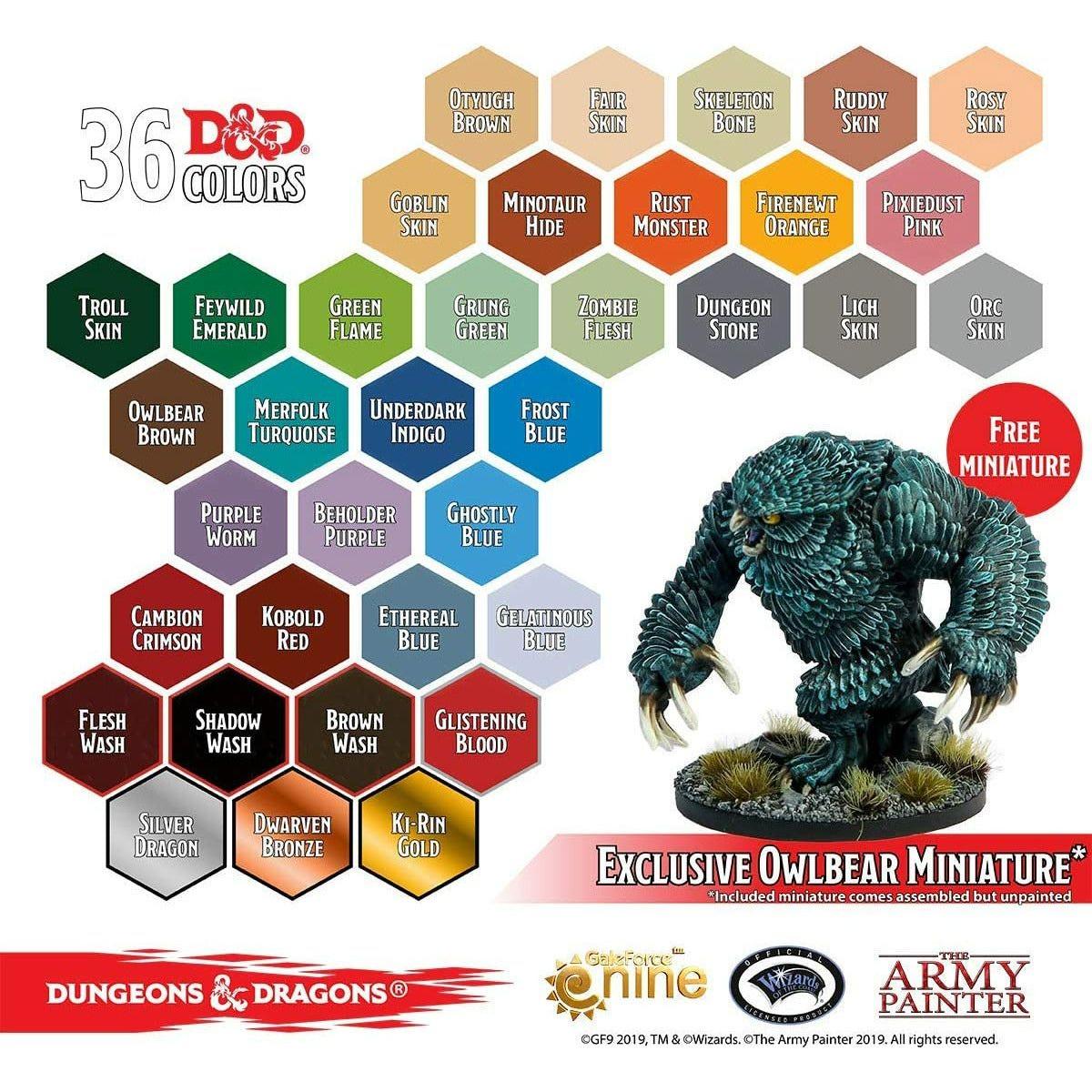
These are optional, but they can make encounters more visual and theatrical. Some groups love a minimalist theatre-of-the-mind approach. Others want the dragon miniature on the table immediately. Both are valid.
Start Creating Your Own Adventures
Once a DM is comfortable, the game opens up massively. Homebrew worlds, custom villains, original dungeons, strange magic items, and deeply personal campaigns are a huge part of D&D’s long-term appeal.
Why D&D Still Matters
Dungeons & Dragons has survived and grown for decades because it offers something increasingly rare: a shared creative space where people are not merely consuming a story, but actively building one together.
You are not just watching the hero make the hard choice. You are the hero making it.
You are not just seeing the villain reveal their plan. Your Dungeon Master is watching the table go silent when it lands.
You are not just reaching the end of a scripted level. You are creating moments that only your group will ever experience in exactly that way.
That is the magic of D&D.
And whether you begin with a Starter Set, a Player’s Handbook, a borrowed dice set, or a free online rulebook, every great campaign starts the same way:
Someone says, “So… do you want to play?”
Frequently Asked Questions About Starting D&D
Is D&D 2025 a completely new edition?
Not exactly. What many people call “D&D 2025” is better understood as the updated fifth-edition rules released through the 2024 Player’s Handbook, 2024 Dungeon Master’s Guide, and 2025 Monster Manual. D&D Beyond may also refer to this updated ruleset as 5.5e, while older 2014 material is labelled 5e.
Are the 2024/2025 rules compatible with older fifth-edition books?
Yes, the updated rules were designed to remain compatible with existing fifth-edition material in many situations. For brand-new players, though, it is simplest to start with the current rulebooks and expand from there.
What is the best D&D product for beginners?
For a full group of beginners, D&D Starter Set: Heroes of the Borderlands is one of the best ways to begin. It is designed to get new players started quickly with guided play, ready-to-use characters, and a beginner-friendly adventure structure.
Do I need to buy the Player’s Handbook to start?
No. The official 2024 D&D Free Rules are enough to begin learning and playing. However, the 2024 Player’s Handbook gives you the full core player experience with broader character options, detailed rules, equipment, spells, and more.
What books does a Dungeon Master need?
A brand-new DM can start with a Starter Set. For longer-term play, the most useful books are the Dungeon Master’s Guide (2024) and Monster Manual (2024). A Dungeon Master’s Screen is also a helpful table accessory.
How many people do you need to play D&D?
The official 2024 rules say D&D plays best with four to six players plus a Dungeon Master, though it can work with smaller or larger groups.
Can you play D&D with one player?
Yes. One-on-one D&D is possible, and some D&D products and guidance support smaller-group play. It requires a bit more adjustment from the Dungeon Master, but it can be a great experience.
Can kids play D&D?
Yes. D&D has no universal age restriction, but the ideal entry point depends on the child’s reading level, attention span, and comfort with the game’s rules. Starter Sets and simplified beginner adventures are often the easiest way to introduce younger players.
Do I need miniatures to play?
No. Miniatures are completely optional. Many D&D groups play entirely through description and imagination. Others enjoy using minis, maps, and terrain to make combat more visual. Both styles work.
Where can I find people to play D&D with?
Start with local hobby stores, friends, board game groups, and official D&D community spaces. D&D Beyond also has forums and community areas for people looking for players, Dungeon Masters, and game groups.
What should I buy first for D&D?
For most beginners:
- Heroes of the Borderlands Starter Set if you want the easiest all-in-one introduction
- Player’s Handbook (2024) if you want to create your own character and play regularly
- A dice set if you want your own table essentials
- Dungeon Master’s Guide and Monster Manual if you plan to run games yourself
Power Up Gaming also carries additional campaign books, DM tools, minis, paints, and D&D accessories as your collection grows.